Anheuser‑Busch InBev’s 2026 Annual Report: A Lens on Consumer‑Retail Synergy and Generational Shifts
The 20‑F filing released on March 3 2026 by Anheuser‑Busch InBev (AB InBev) confirms the company’s latest financial performance and governance disclosures. While the document itself contains no immediate market‑moving corporate actions, it provides a valuable snapshot of the world’s largest brewer operating within a rapidly evolving consumer landscape. By examining the report in conjunction with current lifestyle trends, demographic changes, and cultural movements, we can uncover new business opportunities for brands that straddle the digital–physical retail divide, cater to shifting generational spending patterns, and create immersive consumer experiences.
1. Digital Transformation Meets Brick‑and‑Mortar
AB InBev’s continued investment in data analytics, e‑commerce platforms, and smart retail technologies underscores a broader industry pivot. The company’s reported expansion of its direct‑to‑consumer channels—particularly through mobile ordering apps, subscription services, and in‑store digital kiosks—illustrates a strategic embrace of omnichannel retail.
Implications for Consumer Brands
- Retail Partnerships: Brands that integrate seamless digital ordering into physical stores can tap into AB InBev’s extensive distribution network. For example, a craft‑beer boutique that offers QR‑coded menus and instant re‑ordering can benefit from the company’s logistical infrastructure.
- Data‑Driven Personalization: The surge in consumer data collection, enabled by AB InBev’s proprietary analytics, signals a growing demand for personalized product recommendations. Retailers that can harness this data to tailor offers—such as limited‑edition brews or regional flavor profiles—will likely see higher conversion rates.
2. Generational Spending Patterns and the Rise of Experience Economies
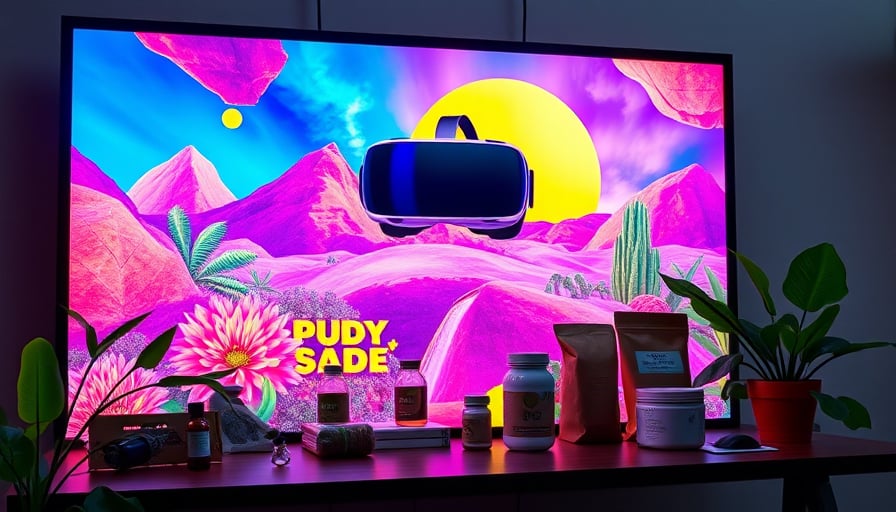
The report highlights a shift in consumer spending toward experiential offerings rather than purely transactional goods. Millennials and Gen Z, who prioritize authenticity and engagement, are increasingly allocating discretionary budgets to curated experiences, including themed taprooms, virtual reality brewing tours, and branded pop‑up events.
Forward‑Looking Opportunities
- Experiential Retail Hubs: Integrating branded pop‑ups within AB InBev’s flagship venues can create cross‑promotional synergies, turning a simple purchase into a memorable event.
- Subscription and Loyalty Models: Loyalty programs that reward repeat visits with exclusive content—such as behind‑the‑scenes videos or early access to seasonal releases—align with the desire for continuous engagement.
3. Cultural Movements Fueling Product Innovation
Societal conversations around sustainability, localism, and wellness are reshaping the beverage industry. AB InBev’s 20‑F report notes incremental growth in low‑calorie, non‑alcoholic, and craft‑segment offerings, reflecting these cultural currents.
Strategic Takeaways
- Sustainable Packaging: The adoption of biodegradable or recyclable packaging can be marketed as a differentiator in both digital storefronts and physical retail outlets.
- Co‑Creation Platforms: Allowing consumers to vote on new flavor profiles via social media or app polls can harness the cultural push toward participatory culture.
4. The Evolution of Consumer Experiences in a Post‑Digital Age
The convergence of augmented reality (AR) and physical retail is redefining how consumers interact with products. AB InBev’s investment in AR-enabled tasting guides demonstrates a commitment to enriching the in‑store experience with digital layers.
Market Implications
- AR‑Enhanced Menus: Retailers can deploy AR to provide immersive storytelling about product origins, brewing processes, or pairing suggestions.
- Hybrid Events: Hosting simultaneous in‑store tastings and live‑streamed webinars allows brands to reach broader audiences while retaining the tactile appeal of physical sampling.
5. Translating Societal Shifts into Market Opportunities
| Societal Shift | Consumer Behavior | Business Opportunity | Example Implementation |
|---|---|---|---|
| Digital‑native generation | Preference for mobile ordering and instant gratification | Integrated mobile commerce in physical stores | QR‑code menus, in‑store app pickups |
| Experience economy | Value of curated events and storytelling | Pop‑up experiences tied to limited‑edition products | Themed taproom nights with exclusive brews |
| Sustainability focus | Demand for eco‑friendly packaging | Green product lines and transparent sourcing | Recyclable cans, carbon‑neutral delivery |
| Wellness trend | Shift toward low‑calorie, non‑alcoholic options | Expanded beverage portfolio | Low‑abv craft beers, flavored kombuchas |
Conclusion
While AB InBev’s March 2026 filing may appear routine, the disclosed financial and strategic details serve as a microcosm of broader industry dynamics. By marrying digital transformation with the tangible allure of physical retail, capitalizing on generational spending preferences, and aligning product innovation with cultural imperatives, consumer brands can unlock substantial growth potential. The key lies in crafting seamless, immersive experiences that resonate across demographics while leveraging data‑driven insights to anticipate and meet evolving consumer desires.