
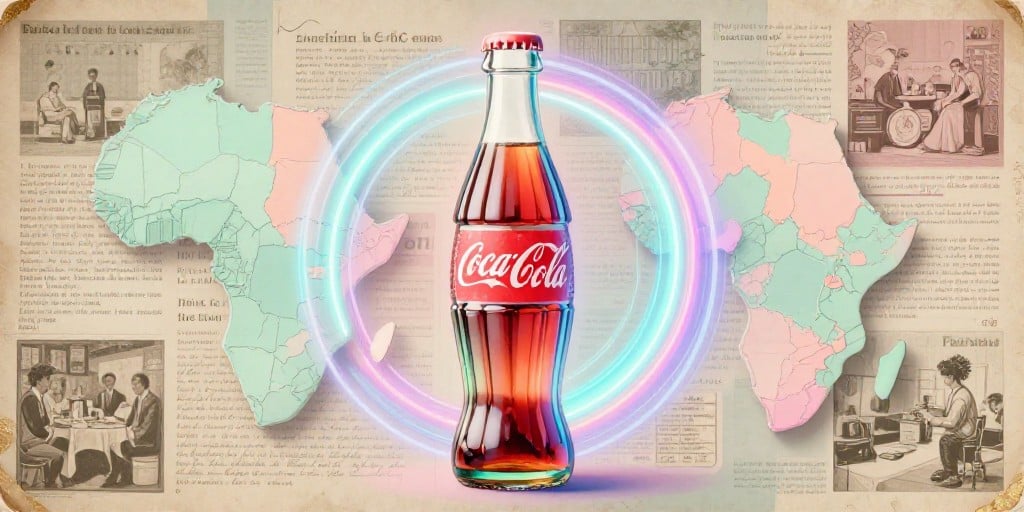
Corporate Analysis: Coca‑Cola HBC AG’s First‑Half 2026 Results and Emerging Consumer Dynamics
Coca‑Cola HBC AG delivered a robust first‑half performance for the six months ending 3 July 2026, prompting an upward revision of its 2026 guidance. The company’s strategic focus on organic growth, pricing discipline, and targeted marketing has yielded measurable gains in revenue, profitability, and cash generation, all while navigating a complex macro‑economic landscape.
Revenue Trajectory and Product Mix Dynamics
The group reported a solid organic revenue rise, primarily driven by volume growth across its core categories. Within the beverage portfolio, sparkling and energy segments exhibited the strongest momentum, reflecting shifting consumer preferences toward high‑energy, ready‑to‑drink formats. This trend aligns with a broader generational shift: Gen Z and Millennial consumers increasingly seek convenience and experiential products that fit into a fast‑paced lifestyle.
Key to the revenue uptick was a pricing initiative that capitalized on a favourable product mix, lifting revenue per case. This indicates that the company has successfully leveraged price elasticity in categories where brand strength outweighs price sensitivity. Marketing investments—highlighted by high‑profile activations such as the FIFA World Cup—further amplified volume gains, demonstrating the enduring value of experiential sponsorships in an era of digital overload.
Operating Performance and Margin Discipline
Operating performance mirrored revenue growth. Comparable EBIT rose in the mid‑teens of percentage terms, while gross margins improved modestly. Operating expenses increased in line with the heightened marketing spend, yet EBIT margins edged higher, underscoring disciplined cost management amid investment in brand building.
Profitability metrics followed suit: comparable earnings per share increased, and free cash flow remained healthy, albeit slightly lower than the prior year. The decline in free cash flow can be attributed to higher capital expenditures linked to ongoing expansion and the impending acquisition of Coca‑Cola Beverages Africa. This acquisition, anticipated to close in the second half of 2026, will broaden the group’s geographic footprint and diversify its revenue base.
Strategic Priorities and Market Positioning
Coca‑Cola HBC AG reiterated its commitment to growth initiatives focused on its 24/7 product portfolio and bespoke capabilities. This reflects an understanding that contemporary consumers demand products that fit into a 24‑hour lifestyle, especially in emerging markets where evening consumption is rising. By investing in bespoke solutions, the group positions itself to cater to localized tastes and regulatory environments, a critical factor for long‑term competitiveness.
The company also highlighted progress in the acquisition of Coca‑Cola Beverages Africa. This move is strategic, tapping into a region with rising disposable income and a burgeoning middle class. African markets also exhibit a high penetration of mobile commerce, offering an avenue for digital transformation initiatives that can be paired with traditional retail channels.
Societal Trends Driving Consumer Experiences
The company’s results and strategic roadmap illustrate how societal changes translate into market opportunities:
Digital‑Physical Retail Synergy The continued rise of omnichannel retail demands that brands integrate digital experiences with physical touchpoints. Coca‑Cola HBC’s investment in the 24/7 portfolio and bespoke capabilities reflects a shift toward data‑driven, location‑aware marketing, enabling personalized in‑store promotions that complement online engagement.
Generational Spending Patterns Younger consumers prioritize authenticity, sustainability, and convenience. Energy and sparkling drinks, often packaged with bold branding and eco‑friendly materials, cater directly to these preferences. The company’s pricing and mix strategy indicates an alignment with these generational priorities.
Cultural Movements and Experiential Marketing Sponsorships of global events such as the FIFA World Cup underscore the importance of cultural touchstones in building brand resonance. Experiential marketing remains a powerful tool for creating memorable interactions that transcend traditional advertising, particularly in crowded digital spaces.
Economic Resilience and Market Diversification Amid a challenging macro‑economic backdrop, diversified geographic exposure—exemplified by the African acquisition—helps mitigate regional downturns. This diversification also opens up new distribution ecosystems that blend physical retail (e.g., convenience stores) with digital order‑and‑delivery platforms.
Forward‑Looking Outlook
An analyst call scheduled for 10:00 BST on Wednesday, 5 August will likely delve deeper into the company’s strategic priorities, margin expectations, and the expected impact of the African acquisition. Investors should monitor:
- Execution of the 24/7 product strategy and its uptake in emerging markets.
- Integration of digital commerce with traditional retail to maximize customer reach.
- Margins post‑acquisition, particularly how the new portfolio will influence operating costs and pricing power.
- Capital expenditure trends and their effect on free cash flow and dividend policy.
In summary, Coca‑Cola HBC AG’s first‑half 2026 results illustrate a well‑executed blend of volume growth, pricing discipline, and experiential marketing. By aligning its strategic initiatives with evolving lifestyle trends, demographic shifts, and cultural movements, the company is poised to capitalize on new consumer experiences while maintaining resilience against macro‑economic volatility.