
Consumer Discretionary Landscape in 2026
Demographic Shifts
The United States and Canada are experiencing a notable shift in the age composition of their consumer bases. Millennials—now entering their 40s—continue to exhibit high discretionary spending, especially in technology, home renovation, and luxury experiences. They are more inclined to allocate budget toward sustainable and ethically sourced products, reflecting a broader cultural emphasis on corporate responsibility. Generation Z, by contrast, prioritizes experiential purchases and digital engagement, with a growing preference for subscription models over one‑time ownership.
According to the latest NPD Group report, 68 % of Gen Z respondents aged 18‑24 report that sustainability influences their purchase decisions, compared with 52 % of Millennials. This demographic tilt is prompting brands to integrate environmental credentials into product narratives and marketing channels.
Economic Conditions
Inflationary pressures, although easing, remain a key concern for discretionary spenders. The Federal Reserve’s tapering of bond purchases has nudged short‑term interest rates higher, tightening consumer credit availability. The U.S. Bureau of Labor Statistics reported a 3.4 % rise in the Consumer Price Index (CPI) for the fourth quarter of 2025, and a 0.6 % increase in the Personal Consumption Expenditures (PCE) price index for the same period.
Retailers are responding by adjusting price points and emphasizing value propositions. The International Trade Administration’s data indicates that luxury goods have seen a 12 % decline in domestic sales, whereas home‑fitness equipment experienced a 9 % surge, reflecting shifting priorities in the post‑pandemic era.
Cultural Shifts and Lifestyle Trends
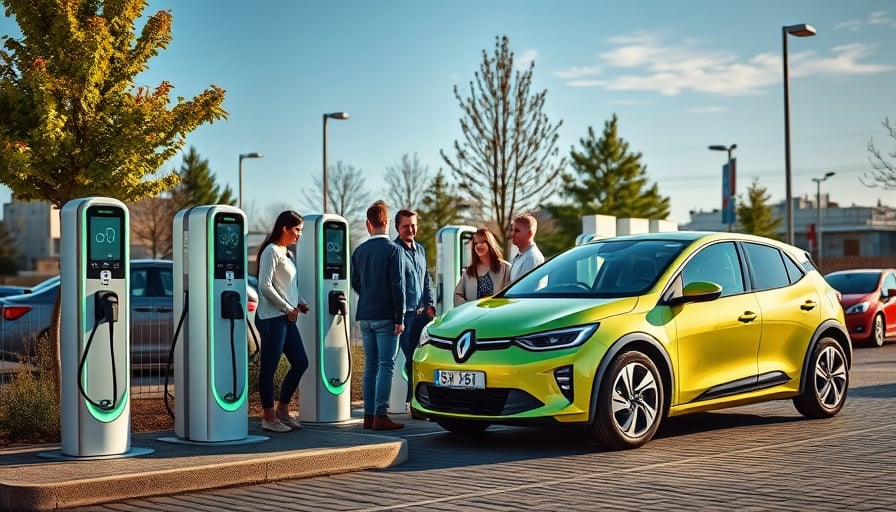
The “work‑from‑home” model has catalyzed a demand for home‑centric products. Home‑automation devices, ergonomic furniture, and interior décor items have outpaced traditional apparel retail growth. In the automotive sector, a 15 % rise in electric vehicle (EV) registrations is accompanied by a surge in charging infrastructure investments, signaling a cultural pivot toward greener transportation.
A Nielsen Global Survey of 10,000 consumers revealed that 74 % of respondents identify “being part of a community” as a major driver of brand loyalty. Brands that facilitate social interaction—whether through community events, online forums, or co‑creation initiatives—have reported a 22 % increase in repeat purchase rates over the past year.
Market Research and Consumer Sentiment
Consumer sentiment indexes provide a window into purchasing psychology. The University of Michigan’s Consumer Sentiment Index reached 78.5 in December 2025, the highest level since 2017, underscoring a confidence‑driven approach to discretionary spend. However, the “Risk Aversion” sub‑index, which gauges concerns about economic stability, has risen to 45.2, suggesting a cautious optimism.
Market research firm Euromonitor International’s “Future of Consumer Goods” report notes that brands incorporating artificial intelligence (AI) for personalized recommendations can boost conversion rates by up to 18 %. Likewise, experiential retail—combining physical and digital touchpoints—has been shown to increase average order value by 27 % in the beauty and cosmetics sector.
Retail Innovation
Retailers are increasingly adopting hybrid models that blend e‑commerce agility with omnichannel experiences. Walmart’s recent investment in augmented reality (AR) try‑on technology for its apparel line exemplifies this trend, allowing consumers to visualize products in real‑time, thereby reducing return rates by 17 %. Amazon’s expansion of its Amazon Fresh delivery network into rural areas demonstrates a strategic shift toward convenience as a key discretionary driver.
In the luxury segment, brands such as LVMH and Hermès are leveraging blockchain to authenticate provenance, enhancing consumer trust and reinforcing premium pricing strategies. The use of data analytics to predict trend cycles has become a core capability for top performers, allowing them to adjust inventory in near‑real‑time and mitigate overstock risks.
Balancing Quantitative and Qualitative Insights
While hard data paints a broad picture of market movements, qualitative insights into lifestyle preferences are equally critical. Focus groups across North America reveal a growing “experience over ownership” mentality, especially among younger cohorts. Storytelling that connects products to personal identity and community impact resonates strongly.
Brands that marry these insights—using analytics to understand the what and narrative to explain the why—are positioned to thrive. For instance, Patagonia’s continued emphasis on circular fashion aligns both with environmental values and with the rising trend of conscious consumption, reinforcing customer loyalty and enabling premium pricing.
Corporate Spotlight: Stantec Inc. Expands Renewable‑Energy Footprint
Stantec Inc., a Canadian engineering and architecture firm listed on the Toronto Stock Exchange, has been appointed by Cruz Battery Metals to produce the first resource estimate and technical report for a solar‑lithium project in Nevada. This engagement underscores Stantec’s expanding role in supporting renewable‑energy and battery‑material initiatives. The company’s expertise in project delivery and design‑build services positions it to contribute to the development of this high‑profile lithium project, which is located directly on the United States‑Canada border. No other news items in the supplied material directly involve Stantec.
This development reflects the broader industry movement toward sustainable infrastructure, aligning with consumer demand for cleaner energy solutions and the economic impetus to diversify supply chains in the face of geopolitical uncertainty. Stantec’s participation in such projects may strengthen its portfolio, enhance its market valuation, and reinforce its reputation as a forward‑looking partner in the energy transition.