
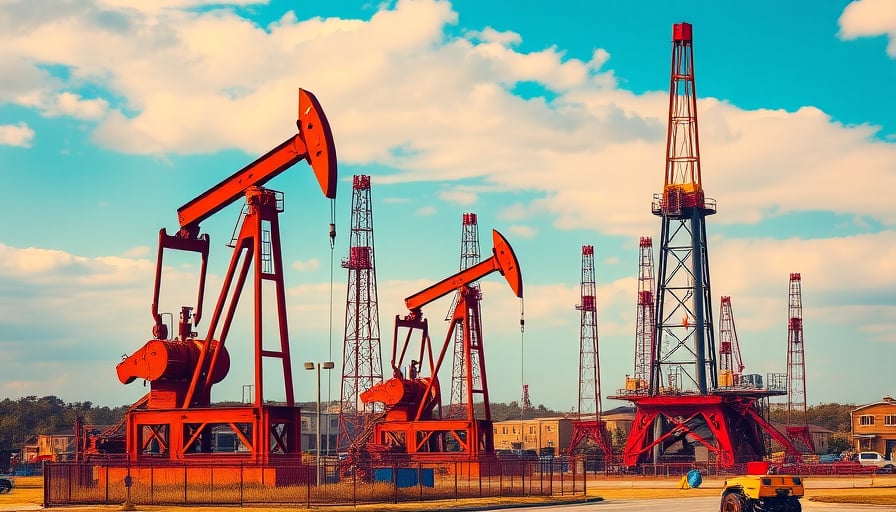
Energy Sector Update: Baker Hughes Rig Count Release
Baker Hughes, a leading provider of drilling equipment and services, released its North American rig count earlier than usual this week due to the U.S. Thanksgiving holiday. The data, a key barometer of drilling activity, shows a mixed picture for the U.S. and Canadian energy markets.
Key Figures
| Category | Rigs | Change | Notes |
|---|---|---|---|
| Total oil and natural gas | 544 | ‑10 | Lowest since September 2021 |
| Oil rigs | 407 | ‑12 | Lowest since September 2021 |
| Gas rigs | 130 | + | Highest since July 2023 |
| Texas (largest production state) | 226 | ‑8 | Lowest since July 2021 |
The decline of roughly ten rigs in the combined oil and natural gas sector, and a drop of twelve rigs in oil alone, indicates a contraction in drilling activity across the continent. Conversely, gas rigs have modestly increased, reaching a level not seen since mid‑2023.
Industry Context
Drilling Activity as a Production Indicator Rig counts are widely regarded as leading indicators of future production volumes. A reduction in rigs typically precedes a decline in oil and gas output, affecting supply dynamics and market prices. The recent downturn in oil rigs aligns with broader trends of subdued drilling in the U.S. and Canada, partly driven by higher operating costs and fluctuating commodity prices.
Gas Rig Resilience The slight uptick in gas rigs suggests sustained investment in natural gas production, potentially reflecting continued demand for gas as a transition fuel and the attractiveness of U.S. shale plays. Gas rigs’ rebound may also be linked to the recent rise in U.S. natural gas prices, which has encouraged new drilling projects.
Texas Market Dynamics Texas remains the dominant production hub in the United States. The eight‑rig decline, bringing the count to its lowest level since July 2021, signals tightening activity in the state’s major play areas. This contraction could impact regional supply and infrastructure utilization, with downstream implications for pipeline throughput and storage capacities.
Cross‑Sector Implications The rig count trends intersect with several sectors:
- Technology and Equipment – Reduced rig activity may influence demand for drilling rigs, drilling fluids, and related technology.
- Infrastructure and Pipelines – Lower drilling volumes can affect pipeline loading and storage requirements, potentially altering freight rates and logistics strategies.
- Financial Services – Energy companies’ capital allocation decisions are sensitive to rig count trends, impacting investment banking, underwriting, and credit markets.
Economic Drivers
- Commodity Pricing: Volatility in oil prices, influenced by OPEC+ policies and geopolitical events, directly affects drilling economics.
- Regulatory Environment: Changes in environmental regulations, permitting processes, and state‑level incentives can either accelerate or dampen drilling momentum.
- Capital Availability: Credit conditions and investor sentiment shape the financing of new rigs and drilling projects.
- Technological Advancements: Innovations in horizontal drilling, hydraulic fracturing, and automation may offset some cost pressures, but their adoption depends on market readiness and investment cycles.
Outlook
Analysts anticipate that the current dip in rig counts may presage a further slowdown in drilling activity over the coming months, especially if oil prices remain subdued and regulatory uncertainty persists. However, the modest increase in gas rigs suggests a potential pivot toward natural gas production, which could mitigate overall production losses in the near term. Market participants will likely monitor subsequent Baker Hughes releases for signs of recovery or continued contraction, as these figures influence a wide array of downstream decisions across the energy supply chain.