
Ørsted’s Latest Offshore Wind Acquisition: Implications for Grid Stability and Energy Transition
Ørsted’s announcement of a new offshore wind acquisition has generated considerable interest among investors and industry observers. While the transaction reinforces the company’s expanding offshore portfolio, the simultaneous modest decline in its share price has prompted analysts to examine the broader market context and the underlying technical, regulatory, and economic factors shaping the sector.
Power Generation, Transmission, and Distribution Dynamics
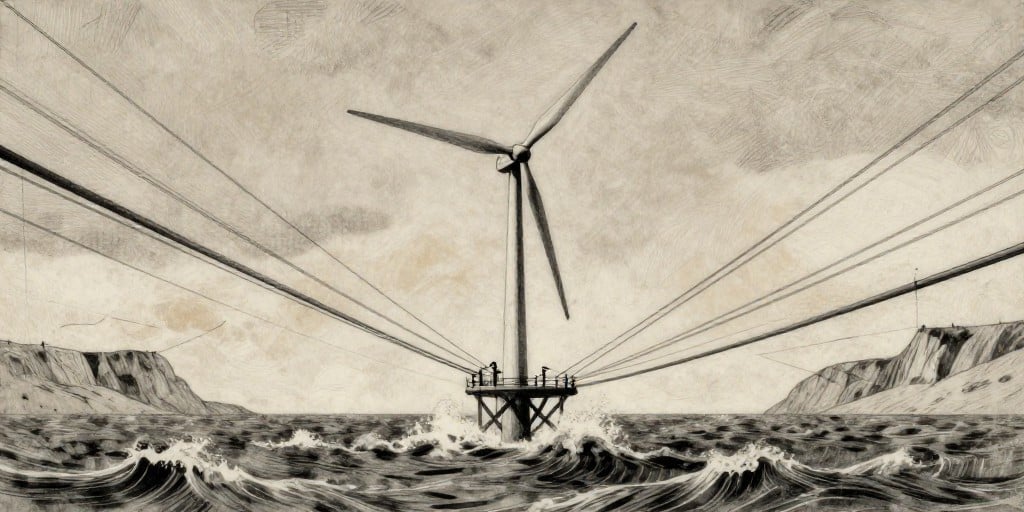
The acquisition of an offshore wind project—typically involving turbine arrays, sub‑station infrastructure, and subsea export cables—has immediate repercussions for generation capacity and the electrical distribution network. Offshore wind farms deliver power to the grid via high‑voltage (HV) export cables, which are connected to onshore sub‑stations before being integrated into the regional transmission system (RTS). The resulting power flows increase the load on HV corridors, demanding robust transmission planning to maintain voltage stability and prevent cascading failures.
Grid operators must also manage the variable output of wind farms, which can fluctuate on minute‑to‑minute scales. To ensure reliability, operators deploy dynamic voltage control devices (e.g., static var compensators, flexible AC transmission system (FACTS) equipment) and coordinate with ancillary services markets that provide frequency regulation and spinning reserve. Ørsted’s addition of a new offshore asset will necessitate upgrades to both the subsea cable capacity and the onshore sub‑station rating to accommodate the anticipated megawatt‑scale export.
Renewable Integration Challenges
Integrating offshore wind at scale introduces several technical challenges:
System Stability: The intermittency of wind can cause rapid swings in power injection, affecting frequency and voltage stability. Advanced power electronics and inverter controls (e.g., synthetic inertia, voltage ride‑through) mitigate these effects but require careful coordination with grid codes.
Grid Congestion: Increased offshore output can overload transmission corridors, particularly in regions with limited export capacity. This congestion may force curtailment of renewable generation, undermining the economic returns of the project.
Asset Protection: Offshore environments expose assets to harsh marine conditions, necessitating robust corrosion protection and dynamic cable routing strategies. These considerations drive up construction and maintenance costs, influencing project economics.
Infrastructure Investment Requirements
To support Ørsted’s expansion, significant capital must be allocated to enhance both transmission and distribution infrastructure:
High‑Voltage Direct Current (HVDC) Conversion: Many offshore projects now employ HVDC export cables to reduce transmission losses over long distances. Deploying HVDC converter stations—often cost‑intensive—requires careful techno‑economic assessment.
Sub‑station Upgrades: Onshore sub‑stations must be reinforced to handle the increased power flows, including new switchgear, transformers, and protection systems.
Grid Modernization: Smart grid technologies—such as phasor measurement units (PMUs), advanced SCADA systems, and AI‑driven fault detection—are essential to monitor and respond to the dynamic behavior of a high‑penetration renewable grid.
These infrastructure investments have a cascading effect on consumer costs. While the long‑term benefits of clean energy reduce fuel expenses, the upfront costs of transmission upgrades are often reflected in transmission tariffs and, ultimately, consumer electricity prices.
Regulatory Frameworks and Rate Structures
Regulatory bodies play a pivotal role in balancing the need for grid upgrades with consumer affordability:
Transmission Tariff Regulation: In many jurisdictions, transmission tariffs are regulated to reflect the cost of capital, operating expenses, and a modest return on investment. Utilities must present detailed rate‑making cases that justify new capital expenditures, often under a “just‑cause” framework.
Renewable Portfolio Standards (RPS) and Feed‑in Tariffs (FiTs): These policies incentivize renewable deployment but can also impose additional costs on utilities that must procure renewable energy to meet mandated percentages. The structure of FiTs—whether fixed or market‑linked—affects project economics and the timing of investments.
Ancillary Services Markets: Pricing mechanisms for frequency regulation, voltage control, and reserve services influence the revenue streams of offshore wind farms. Accurate forecasting of these ancillary services is essential for project cash‑flow modeling.
Regulators are increasingly adopting performance‑based regulation (PBR) models that tie utility revenues to grid reliability metrics. Under PBR, utilities receive higher revenues for maintaining grid stability and lower penalties for outages, thereby encouraging investment in resilient infrastructure.
Economic Impacts of Utility Modernization
The modernization of the grid yields a mix of costs and benefits:
Capital Outlay: Utilities face large upfront investments for HVDC conversion, sub‑station upgrades, and smart grid deployment. These costs are often financed over long periods, leading to incremental rate increases for consumers.
Operational Efficiency: Modernized grids reduce transmission losses, lower operating expenses, and improve system reliability. These efficiencies translate into lower long‑term costs for utilities and consumers.
Market Competition: Enhanced grid capabilities can attract more renewable projects, intensifying competition for transmission slots. This competition may drive down the cost of renewable generation through economies of scale and technological advancement.
Economic Growth: Infrastructure projects stimulate local employment and supply chains. The deployment of offshore wind projects often triggers ancillary industrial activity, such as subsea cable manufacturing and marine logistics.
Conclusion
Ørsted’s acquisition of a new offshore wind project exemplifies the sector’s continued momentum toward renewable expansion. However, the modest share‑price decline underscores the broader market pullback affecting energy stocks. From an engineering standpoint, the addition of offshore capacity demands sophisticated transmission planning, investment in grid modernization, and robust regulatory support to ensure long‑term stability and economic viability. The ultimate balance between infrastructure costs and consumer pricing will hinge on the efficacy of regulatory frameworks, market mechanisms, and the technological maturity of renewable integration solutions.