Ørsted’s Strategic Moves Amidst Grid Modernization Imperatives
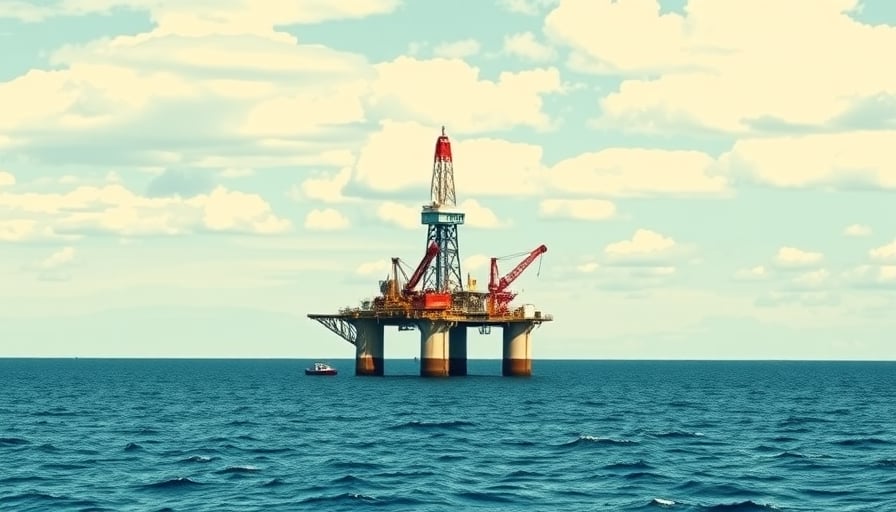
Ørsted’s share price advanced modestly on Thursday, reflecting the Danish wind‑energy leader’s continued focus on offshore wind development and its recent corporate actions. The company’s general meeting approved the audited 2025 report, with no dividend declared for that year—a continuation of the dividend suspension imposed from 2023 to 2025. Board leadership remained stable, with Chair Lene Skole and Deputy Chair Andrew Brown re‑elected, and several new directors, including former Wind Power chief Samuel Leupold, joining the board.
Dividend Resumption and Financial Outlook
The company reiterated its commitment to rewarding shareholders in 2026, announcing that it would maintain its dividend plan for that year. This move signals confidence in Ørsted’s financial position after a restructuring phase that had seen the company’s profitability improve. Management highlighted that recent agreements for new offshore wind projects in the North Sea provide a clearer investment outlook and strengthen the company’s balance sheet.
Integration with Europe’s Emerging Carbon‑Storage Network
In parallel, Ørsted is engaging in broader decarbonisation initiatives. It is a partner in the Northern Lights carbon‑capture and transport venture, which has expanded its fleet to include a third CO₂ carrier, reinforcing the company’s role in Europe’s emerging carbon‑storage network. The partnership, which also involves Equinor and TotalEnergies, underscores Ørsted’s strategic positioning beyond wind generation into the full renewable‑energy value chain.
Implications for Grid Stability and Renewable Integration
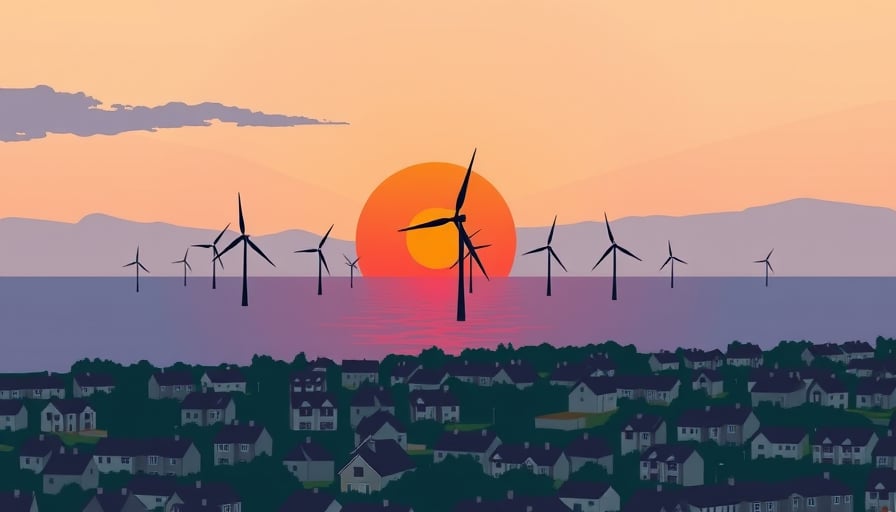
The company’s expansion of offshore wind capacity is set against the backdrop of increasing grid stability demands and renewable integration challenges. Offshore wind farms deliver large, intermittent power injections that can strain transmission assets and frequency‑control resources. Ørsted’s projects are typically coupled with advanced converter stations and dynamic voltage‑support functions, enabling seamless integration into existing high‑voltage transmission networks.
From an engineering perspective, the intermittent nature of wind requires robust demand‑side management and flexible generation dispatch. Grid operators increasingly rely on real‑time monitoring and automated control schemes to maintain voltage profiles and frequency stability. Ørsted’s commitment to deploying energy‑storage systems—both pumped‑hydro and battery‑based—within its offshore portfolio provides essential inertia and frequency‑response services, mitigating the risk of blackouts during sudden wind gust losses.
Infrastructure Investment Requirements
Achieving a high penetration of offshore wind necessitates significant investment in sub‑sea cables, offshore substations, and onshore interconnections. The capital intensity of these assets underscores the need for coordinated public–private financing mechanisms. Ørsted has advocated for regulatory frameworks that facilitate large‑scale grid upgrades, such as streamlined permitting processes and long‑term power‑purchase agreements.
Investments in grid modernization also encompass digitalization initiatives, including phasor measurement units (PMUs) and advanced analytics platforms. These technologies enhance situational awareness, enabling predictive maintenance and proactive fault mitigation—critical for the reliability of a network increasingly fed by variable renewable sources.
Regulatory Frameworks and Rate Structures
European regulatory bodies are redefining rate structures to reflect the true cost of maintaining a resilient grid in the face of renewable penetration. Time‑of‑use tariffs and dynamic pricing models are gaining traction, incentivizing consumers to shift usage patterns in alignment with supply variability. Ørsted’s engagement with policymakers has emphasized the importance of transparent and equitable tariff design that balances the need for revenue adequacy of utilities with consumer protection.
In addition, the European Union’s Green Deal and associated directives are shaping a regulatory landscape that prioritizes decarbonization pathways. Utilities are required to align their long‑term investment plans with the European Climate Law’s carbon‑neutrality targets. Ørsted’s active participation in the Northern Lights project exemplifies a proactive approach to meeting these regulatory imperatives, positioning the company as a leader in the integrated renewable‑energy ecosystem.
Economic Impacts of Utility Modernization
The modernization of the grid brings a dual economic impact: on the one hand, it creates opportunities for new jobs in engineering, construction, and operations; on the other, it raises short‑term consumer costs due to capital expenditures that must be recouped through rate adjustments. Ørsted’s strategy to maintain a dividend for 2026, coupled with its robust financial performance, suggests that the company anticipates a manageable impact on end‑user pricing in the medium term.
From a macroeconomic standpoint, investment in grid infrastructure stimulates regional supply chains and enhances energy security by reducing reliance on fossil‑fuel imports. Moreover, the integration of offshore wind and carbon capture projects contributes to broader economic diversification, particularly in maritime and high‑tech sectors.
Conclusion
Ørsted’s recent corporate actions—shareholder dividend commitments, board continuity, and strategic alliances—are viewed by investors as solidifying its long‑term growth prospects. The company’s trajectory aligns with the technical and economic imperatives of the energy transition: expanding offshore wind capacity, integrating advanced grid‑support technologies, and participating in emerging carbon‑storage infrastructure. As regulatory frameworks evolve and rate structures adapt to the realities of renewable integration, Ørsted’s continued investment in grid modernization will play a pivotal role in ensuring both grid stability and a just transition for consumers.